
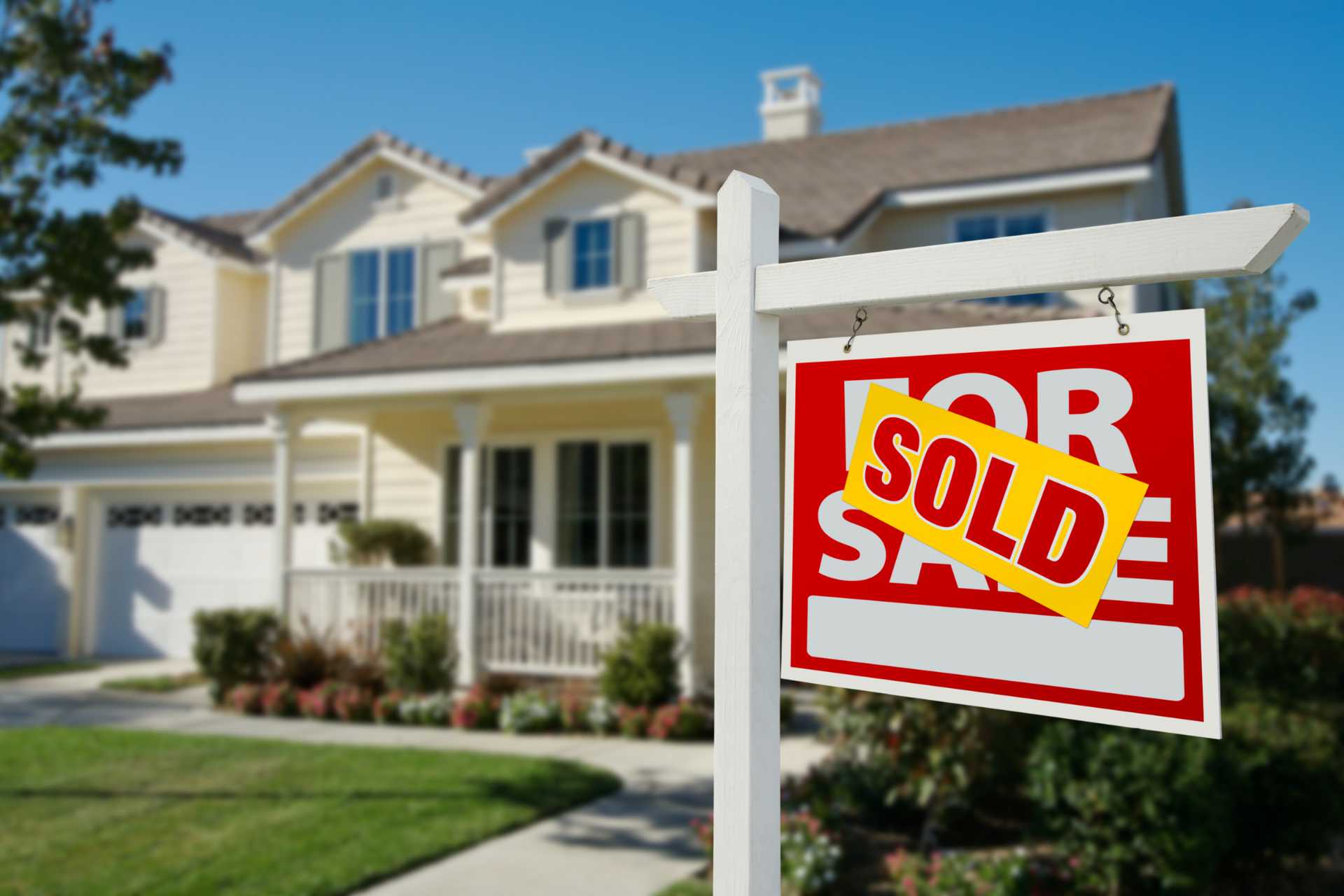
Putting a house on the market involves far more than applying a fresh coat of interior paint, installing modern lighting fixtures, and carefully staging living rooms for prospective buyers. In today’s competitive Canadian real estate landscape, buyers enter open houses and private viewings with a sharp, analytical eye for potential future maintenance expenses. Before an offer becomes legally firm, buyers almost universally hire licensed home inspectors to examine every square inch of the building envelope. During this critical review phase, any visible sign of structural aging, storm damage, or improper exterior installation can trigger immediate alarms and derail an otherwise promising sale.
A seasoned real estate agent knows that structural exterior health heavily influences how smoothly a property transaction moves from conditional offer to final closing day. Issues with your roofing or wall cladding rarely remain hidden when an experienced inspector steps onto the site with ladders, moisture meters, and thermal cameras. When an inspection report flags curling shingles, missing valley flashing, or rotting exterior panels, buyers often react with alarm. They may demand steep price reductions, require large closing credits, or insist on comprehensive repairs prior to taking possession. Understanding precisely what inspectors look for allows sellers to resolve exterior flaws early, maintaining their home’s equity and keeping closing negotiations strictly on track.
What Home Inspectors Look for Above the Eaves
The roof acts as your home’s primary shield against relentless Canadian weather patterns, enduring everything from winter ice storms to intense summer heat waves. During a formal pre-purchase inspection, inspectors climb ladders or deploy high-resolution camera drones to evaluate every section of your roofing system. They meticulously examine asphalt shingles for loss of protective mineral granules, which serves as a primary indicator that the material is nearing the end of its functional lifespan. Granule loss leaves the underlying asphalt backing exposed to intense ultraviolet radiation, making shingles brittle, inflexible, and increasingly prone to cracking under wind stress.
Inspectors also pay exceptionally close attention to critical roof intersections, penetrations, and structural transitions. Roof valleys, chimney bases, skylights, and plumbing vent stacks rely on durable metal flashing to deflect cascading rainwater away from sensitive roof joints. If flashing is rusted, lifted, improperly nailed, or missing flexible sealant, water eventually works its way past the primary shingle layer and into the structural plywood decking underneath.
- Curling, Cupping, and Clawing: Shingles that buckle upward at the edges or lift in the middle signal advanced thermal aging, severe weather exposure, or poor attic ventilation beneath the roof deck.
- Damaged or Corroded Flashing: Loose metal seals around chimneys, skylights, and side walls create direct, uninhibited pathways for hidden water leaks into upper-floor ceilings.
- Sagging Rooflines and Ridge Depressions: Dipping roof planes point to compromised structural rafters, decayed trusses, or water-saturated plywood sheathing beneath the shingle layer.
- Excessive Granule Accumulation in Gutters: Thick deposits of dark mineral grit resting inside eavestroughs confirm that asphalt shingles are rapidly shedding their protective outer layer.
Evaluating Wall Cladding and Exterior Moisture Barriers
Siding serves as your home’s vertical weather armour, keeping driving wind and rain away from interior wall cavities and wooden framing studs. During a pre-purchase inspection, inspectors examine vinyl, aluminum, fibre cement, or engineered wood cladding for subtle signs of moisture intrusion, impact damage, and structural decay. In Canadian climates, frequent freeze-thaw cycles cause trapped moisture behind exterior cladding to expand rapidly, popping seams open, buckling panel boards, and rotting the underlying wall sheathing over time.
Inspectors also look closely for warping or discoloration along the bottom siding courses near ground level. Siding placed too close to lawn soil, garden beds, or concrete driveway surfaces absorbs splash-back moisture and groundwater, accelerating organic rot and attracting wood-boring insects.
Proper installation details matter just as much as overall material quality. Inspectors systematically verify that window and door openings feature properly integrated drip-cap metal flashing to route rainwater over exterior cladding rather than behind it. When window flashing is missing or incorrectly layered, water seeps directly into hidden wall cavities. This triggers structural wood rot, insulation degradation, and hazardous mold growth that buyers find deeply alarming during purchase negotiations.
How Exterior Defects Impact Deal Negotiations and Appraisals
When a home inspector’s written report highlights aging roofs, structural leaks, or failing siding, buyer psychology shifts instantly from excitement to deep caution. Buyers naturally begin multiplying estimated repair costs in their minds, often vastly overestimating the true expense of professional exterior repairs to hedge against unexpected mid-renovation surprises.
These inspection findings grant buyers immense structural leverage during conditional offer periods. Rather than proceeding as planned, a buyer might demand a significant multi-thousand-dollar price discount, request a substantial repair credit at closing, or require the seller to hire a certified, licensed contractor to perform a full roof replacement before closing day arrives.
Furthermore, unaddressed exterior defects can severely impact mortgage approvals and property insurance binding. Major Canadian lending institutions and home insurance providers frequently review property condition reports before releasing mortgage funds or writing home policies. If an inspector deems a roof near the point of total failure, insurance companies may flatly refuse to insure the building, leaving the buyer unable to secure their mortgage until the seller replaces the roof out of pocket.
The Value of Pre-Listing Inspections and Repairs
Rather than waiting for a buyer’s inspector to uncover hidden flaws and disrupt your sale, forward-thinking homeowners invest in a pre-listing inspection. Hiring a certified professional to evaluate your roof and wall cladding prior to placing the house on the real estate market provides total clarity regarding your building’s true structural condition.
Discovering minor issues early allows you to complete targeted repairs at a reasonable cost and on your own schedule. Replacing a few damaged shingles, re-sealing loose chimney flashing, securing loose siding panels, and clearing clogged eavestroughs eliminates potential red flags before prospective buyers ever set foot on the property.
Proactive Exterior Upgrades: Maximizing Market Equity
Taking a proactive approach to your home’s exterior protects your financial equity and dramatically streamlines the entire selling process. Investing in a complete roof or siding replacement prior to listing delivers exceptional return on investment, far outperforming many purely cosmetic interior upgrades in terms of pure equity preservation.
In a competitive real estate market, buyers willingly pay a premium for move-in-ready properties that offer immediate operational reliability and long-term peace of mind. Highlighting a brand-new architectural shingle roof, updated metal flashing, or high-performance engineered siding directly in your real estate marketing materials catches the attention of serious buyers. It signals that the home has been meticulously maintained, eliminating buyer hesitation, driving stronger competitive offers, and guaranteeing a smooth, stress-free path to closing day.
Securing Your Sale from the Outside In
When preparing your home for the real estate market, never underestimate the power of a flawless exterior. While open-concept kitchens and modern bathrooms catch a buyer’s eye during initial walk-throughs, a solid roof and secure siding are what provide the structural confidence required to close the deal. By understanding what property inspectors look for and addressing minor maintenance needs before listing, you protect your asking price and eliminate unnecessary closing delays.
Whether you choose to handle minor repairs or invest in a complete pre-listing upgrade, taking control of your home’s exterior health yields massive dividends. A well-maintained roof and pristine cladding reassure buyers, satisfy mortgage and insurance requirements, and ensure that your property transaction proceeds smoothly from a conditional offer to a successful closing day.
