
Water is a home’s most persistent enemy whenever it is allowed to travel off course or pool uncontrollably near building structures. Canadian weather patterns subject residential properties to extreme environmental stress, ranging from sudden spring snowmelts and torrential summer rainstorms to intense freeze-thaw cycles in the dead of winter. To survive these severe conditions without structural decay, your home relies on a carefully coordinated network of exterior drainage components designed to collect, direct, and discharge water safely away from your living space. When even a single link in this protective drainage chain breaks down, water quickly finds the path of least resistance into your roof framing, wall cavities, or basement walls.
Homeowners often view upper roof drainage and ground-level driveway drainage as completely separate, unrelated systems that operate independently of one another. However, an experienced roofing company understands that effective water management requires an integrated, top-to-bottom property strategy. Pairing routine roof and eavestrough maintenance with professional catch basin cleaning ensures that meltwater and heavy rainfall flow smoothly from your shingles down to municipal storm drains without pooling near your foundation or backing up into subterranean living spaces.
The Journey of Rainwater: From Shingles to Subsoil
Every drop of rain or melting snow that lands on your roof must be collected, contained, and managed with absolute precision. Your roof pitch channels water downward toward eavestroughs mounted along the fascia boards, which then route this heavy runoff into downspout assemblies positioned at strategic corners of your home. During a major storm, a standard residential roof surface can easily collect thousands of litres of water in just a couple of hours, concentrating immense volume into very small discharge ones.
If eavestroughs become clogged with autumn leaves, evergreen needles, or washed-off asphalt shingle grit, water cannot flow freely toward the downspouts. Instead, it pools along the roof edge, creating an environment where water steadily migrates backward underneath the shingle layers. During cold Canadian winters, this trapped standing water freezes into solid ice dams. Ice dams force subsequent snowmelt under the lower shingles, rotting the plywood roof deck, ruining interior drywall, and fostering hidden attic mould.
Even when roof gutters are completely clear and functioning as designed, downspout extensions dump massive volumes of concentrated water directly onto driveways, walkways, or adjacent lawns. Without effective ground-level drainage infrastructure to capture this heavy output, water collects rapidly against your home’s foundation walls. Over time, this creates immense hydrostatic pressure that forces ground moisture through tiny micro-cracks in concrete basement walls, leading to chronic indoor flooding and costly structural damage.
The Vital Role of Driveway Catch Basins
Catch basins are heavy-duty, underground drainage structures topped with thick iron or steel grates, typically installed at low points along paved driveways, concrete patios, or side yards. Their primary job is to collect heavy surface water runoff from downspouts, melting snowpacks, and paved slopes before that water can saturate surrounding soil or flood low-lying garages and basement entryways.
Inside the catch basin, a specialized design separates solid materials from liquid runoff. Heavier debris like dirt, pebbles, lawn clippings, and fallen leaves settle into a lower collection sump, while clean water rises and flows out through a higher discharge pipe connected directly to municipal storm sewer mains or private dry wells. Over time, however, this lower collection chamber fills completely with accumulated organic sludge and sediment, requiring periodic maintenance to remain operational.
- Debris Accumulation: Accumulated mud, fallen leaves, and roof grit fill the collection sump, eventually blocking the discharge pipe and stopping water flow.
- Surface Flooding: A clogged catch basin causes deep water to pool across driveways and walkways, which freezes into dangerous black ice hazard zones during cold Canadian winters.
- Foundation Saturation: When a catch basin overflows its rim, standing water pools directly against basement walls, penetrating concrete footings and saturating subterranean living areas.
- Structural Pavement Heaving: Trapped water around a full catch basin freezes and expands under driveway asphalt, causing severe cracking, potholes, and expensive pavement failure.
Simple Warning Signs Your Property Has a Drainage Problem
Catching a drainage failure early can save you thousands of dollars in foundation repairs and interior restoration. Fortunately, your property gives off clear visual signals long before catastrophic flooding occurs:
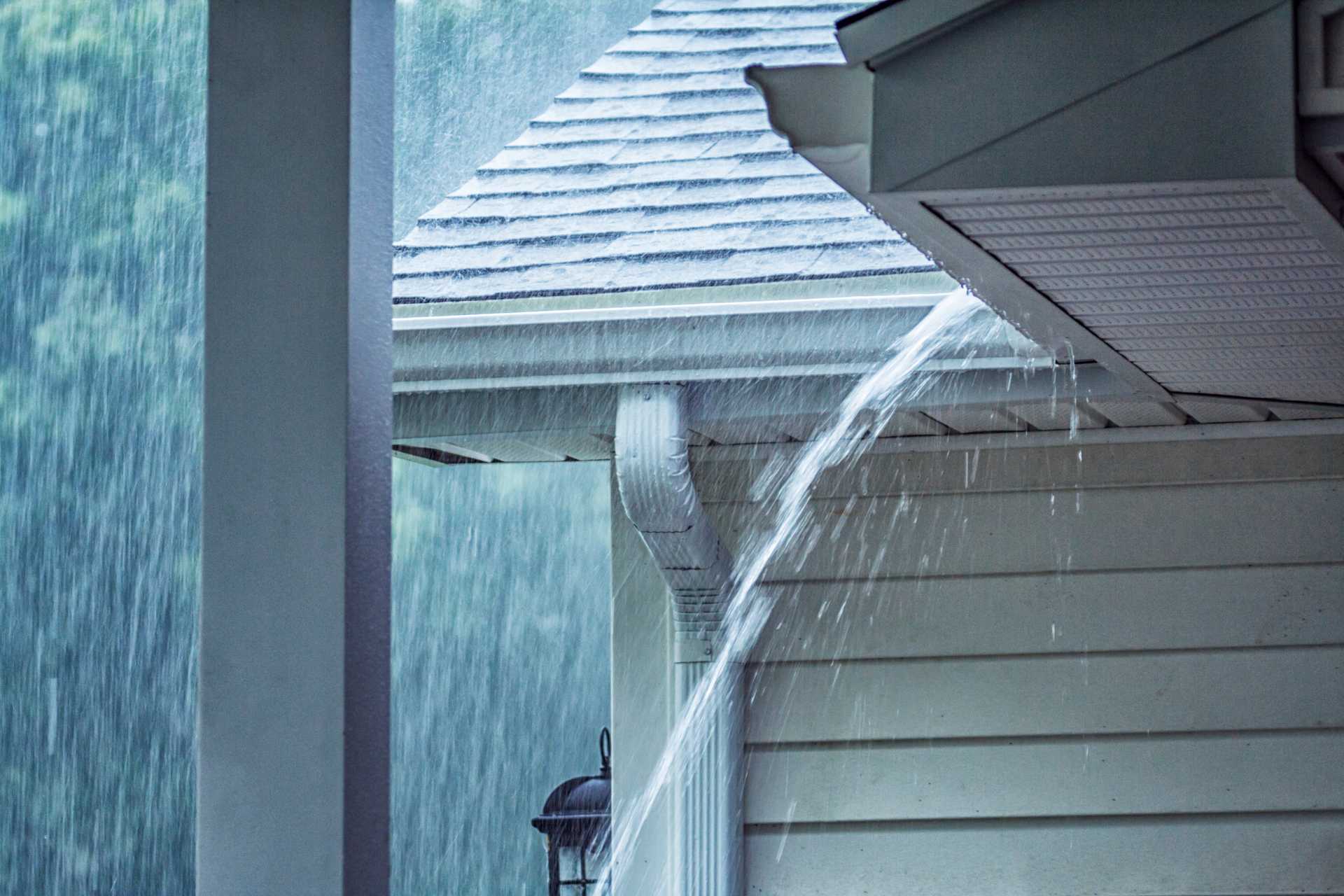
- Eavestrough Waterfalls: Rain pouring over the front edge of your gutters during a shower means there is a blockage in the trough or downspout elbow.
- Peeling Paint or Rotting Fascia: Water backing up over the back edge of your eavestrough soaks into wooden trim boards, stripping paint and causing soft, spongy rot.
- Persistent Mud Puddles Near Downspouts: Soil that remains soggy for days after a storm indicates poor ground-level slope or a blocked underground discharge pipe.
- Musty Basement Smells: Damp odors in lower levels mean ground water is pooling outside foundation walls and evaporating through porous concrete.
- Standing Water Over Catch Basin Grates: If water lingers over your driveway grate long after rain stops, the internal catch basin sump is full of compacted sludge.
Why Top-to-Bottom Drainage Maintenance Matters
Neglecting either your upper roof gutters or your lower catch basin creates a destructive, interconnected cycle for your home’s exterior envelope. When eavestroughs become clogged, heavy rainwater cascades over the front edge of the gutter in a continuous sheet, completely bypassing downspouts. This concentrated waterfall erodes garden soil, destroys land grading, and overloads surrounding ground-level drains with thick, muddy debris that clogs catch basin sumps prematurely.
Conversely, if your roof and gutters are meticulously maintained but your catch basin is full of sludge, properly discharged downspout water has nowhere to go once it reaches ground level. During rapid spring thaws, overflowing catch basins push freezing meltwater back toward your foundation walls, threatening low basement window wells, garage floor plates, and subterranean finished rooms.
Performing a total property drainage audit solves these vulnerabilities before emergency repairs become necessary. Systematically inspecting roof shingles, clearing downspout elbow bends, and vacuuming accumulated sediment out of catch basins keeps water moving freely across every level of your property during even the worst weather events.
Protecting Your Real Estate Investment Year-Round
Establishing a routine, twice-yearly drainage maintenance schedule is one of the most cost-effective strategies for preserving your home’s structural health and overall market value. Clearing organic debris from eavestroughs and catch basins every spring and autumn prevents expensive water damage, protects paved driveway surfaces from frost heaving, and keeps subterranean basements completely dry.
Taking a comprehensive, top-to-bottom approach to property water management gives you absolute confidence during unpredictable weather conditions. By maintaining your roof shingles, keeping gutters clear of blockages, and ensuring ground-level catch basins remain completely free-flowing, you establish an unbeatable defence system that protects your real estate investment from roof peak to foundation footings across every single season.
Long-Term Peace of Mind through Integrated Care
Ultimately, protecting your home from water damage requires recognizing that every exterior component works as part of a single, unified drainage system. Ignoring your ground-level catch basin undermines the performance of a brand-new roof, just as neglecting your eavestroughs will quickly overwhelm even the cleanest driveway drain.
By partnering with qualified roofing and drainage professionals to inspect, clean, and maintain these critical assemblies, you safeguard your foundation, prevent structural rot, and eliminate stress during severe climate shifts. Investing in regular maintenance today ensures your property remains safe, dry, and structurally sound for decades to come.
