
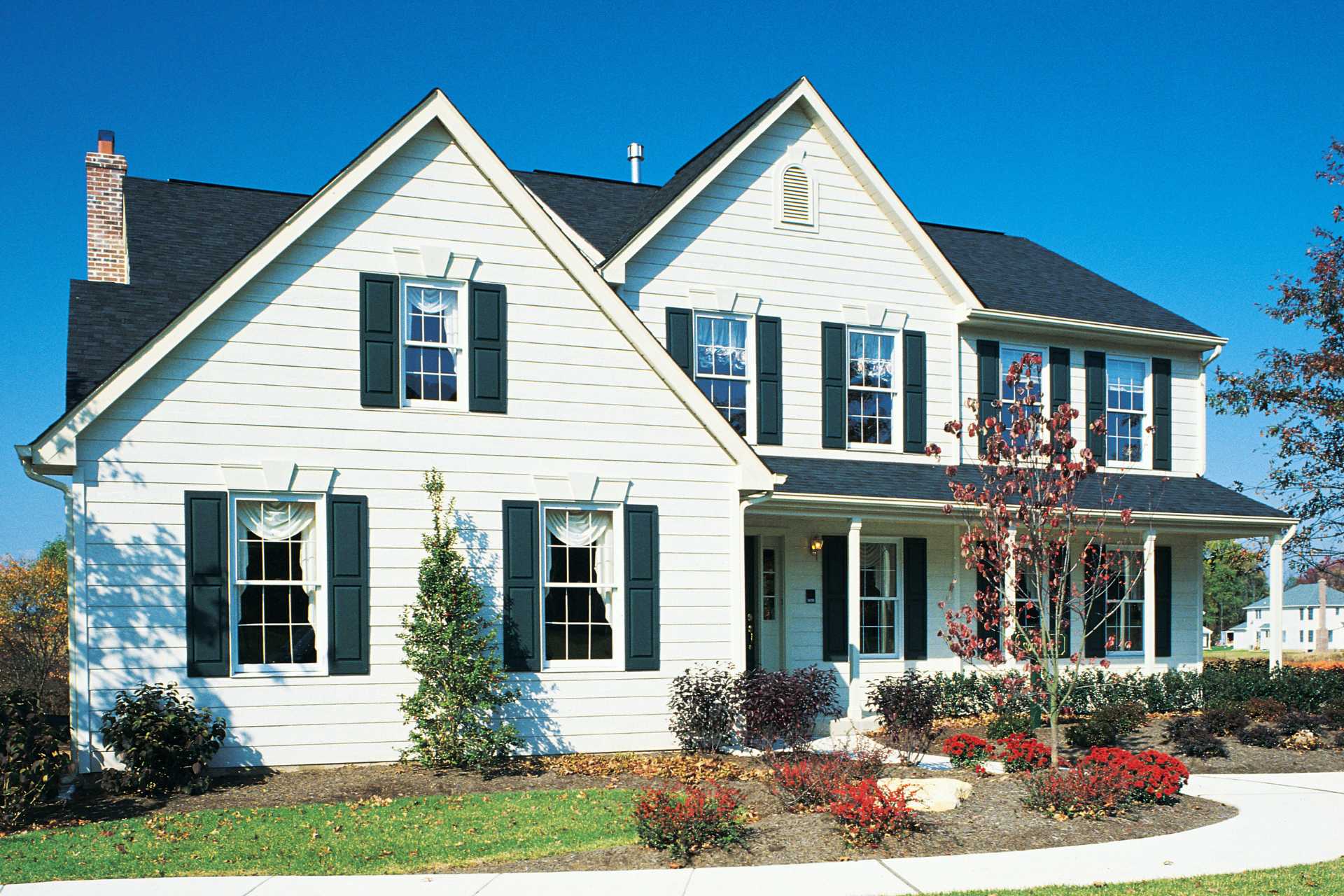
In the Canadian climate of 2026, home maintenance has evolved from a series of isolated repairs into a holistic “Total Envelope” strategy. Homeowners are moving away from piecemeal projects, recognizing that the exterior of a house functions as a single, interconnected shield. Central to this system is window replacement. It serves as the critical link where the roof’s water protection meets the siding’s thermal insulation.
Treating the exterior as a unified system is essential. When you work with a professional roofing company, you ensure that the “lid” of your house is secure. However, if you ignore the walls or the glass, you leave the structure vulnerable. By bundling these renovations, you ensure that every transition point—where the roof meets the wall and where the wall meets the window—is sealed with precision. This unified strategy is the only way to guarantee a moisture-proof and energy-efficient residence for decades.
Structural Advantage: Eliminating the “Weak Links”
The primary structural advantage of bundling is the continuity of the moisture barrier. In our harsh Canadian winters, snow and ice-melt put extreme pressure on the joints of a home. Your house relies on a “house wrap” membrane behind the siding to stay dry. For this barrier to work, it must integrate seamlessly with the window flashing and the roof’s drip edge.
If you replace siding but keep old windows, the contractor must “cut in” the new moisture barrier around existing, often degraded frames. This creates seams that rely entirely on caulking, which eventually dries, cracks, and allows water to seep into the structural sheathing. When window replacement is performed alongside a siding project, the new units can be “taped” directly into the house wrap. This creates a shingle-style overlap that allows water to shed off the house naturally. This level of water-tightness prevents the “hidden rot” that often plagues piecemeal renovations, protecting the wooden bones of your home from the inside out.
Financial Efficiency: The Power of Single-Source Logistics
From a financial perspective, bundling offers significant cost savings. Much of the expense in an exterior renovation in 2026 comes from “site mobilization” and labour overhead. This includes the cost of scaffolding, disposal bins, site protection, and transportation of materials. When you schedule a roof, then siding, and then windows in separate years, you pay for these logistics three different times.
In Canada, where labour costs for roofers and carpenters can range from $50 to $90 per hour, the efficiency of a single crew cannot be overstated. Bundling allows for a streamlined construction schedule where materials are ordered in bulk and disposal is centralized. Furthermore, many high-performance manufacturers now offer “system warranties” when multiple components are installed together. This provides a single point of accountability, saving you from the “finger-pointing” that occurs when different contractors blame each other for a leak or a draft.
Thermal Performance and HVAC Longevity
Energy efficiency is the most immediate benefit of the “Total Envelope” strategy. Home insulation is measured in R-value, but its effectiveness depends on the absence of “thermal bridges.” These are points where heat bypasses insulation, usually at the junctions between the roof and the wall, or at the window sills. By upgrading the roof, siding, and windows simultaneously, you can eliminate these bridges entirely.
In 2026, modern siding projects often include a layer of rigid foam insulation. When this is paired with triple-pane window replacement, the home’s energy consumption can drop by as much as 30% to 40%. This doesn’t just lower your monthly energy bills. It protects your mechanical systems. Your furnace and air conditioner no longer have to “short-cycle” to compensate for drafts. By stabilizing the indoor climate, you extend the lifespan of your expensive HVAC equipment, reducing the frequency of repairs.
Acoustic Sanctuary: Total Sound Dampening
A benefit often overlooked in bundling is the “acoustic shield.” High-quality roofing materials and insulated siding act as excellent sound dampeners. However, sound follows the path of least resistance. If you have thick walls and a heavy roof but thin, outdated glass, noise from traffic, sirens, or neighbours will still penetrate your living space.
Coordinating window replacement with siding and roofing creates a uniform sound barrier. In 2026, triple-pane glass is becoming the Canadian standard for its superior U-factor (thermal resistance) and its ability to block low-frequency noise. This completes the puzzle, ensuring that the peace and quiet provided by your new walls isn’t compromised by the windows. For homeowners in urban environments like Toronto or Vancouver, this creates a sanctuary-like interior that feels significantly more private.
The Problem with “Lipstick and Paint” Upgrades
Historically, many homeowners opted for cosmetic upgrades, such as new paint or basic vinyl siding, while ignoring the aging windows beneath. In the current market, this is recognized as a “failed strategy.” Old windows that are poorly sealed allow moisture to build up between the glass and the frames. This moisture can eventually migrate into the wall cavity, where it is trapped by the new, airtight siding.
This “moisture sandwich” is a recipe for mould and structural failure. By including window replacement in your exterior renovation, you ensure that the house can “breathe” through its mechanical ventilation while remaining airtight at its seams. Professional installers can ensure that the window sills are properly sloped and flashed. This prevents the water ingress that often destroys new siding from the inside out.
Resilience Against Extreme Weather
Canada’s weather is becoming increasingly unpredictable. 2026 has seen a rise in “atmospheric river” events and high-wind storms. A high-quality roof is your first line of defence. However, the siding and windows are what keep the structure rigid during high-wind loads. When these components are installed together, they form a “diaphragm” that strengthens the home’s exterior.
Impact-resistant shingles and reinforced siding panels are much more effective when they are tied into a modern window frame that won’t flex or pop under pressure. This “storm-ready” approach is becoming a requirement for securing lower insurance premiums. Many insurers now look for the Fortified Home standard, which requires a cohesive installation of all exterior components to ensure the building can survive a major weather event without catastrophic failure.
A Unified Defence for Your Home
Choosing to bundle roofing, siding, and window replacement is the most responsible way to manage a property in 2026. It moves the home from a state of “constant repair” to a state of “permanent protection.” By ensuring that the roof’s water-shedding, the siding’s wind protection, and the windows’ thermal seal are all working in concert, you create a home that is quieter, more comfortable, and significantly easier to maintain.
Investing in the “Total Envelope” is more than just a renovation. It is a commitment to the structural integrity and financial efficiency of your home. When the exterior works as one, the results are greater than the sum of its parts. You protect your equity, maximize your rebates, and ensure your home is ready for whatever the Canadian climate has in store.
