
The transition from a harsh winter to the first weeks of spring is a critical time for any Canadian property. Extreme temperature swings can be incredibly taxing on a home’s exterior shell. Homeowners should begin by checking for seal failures or drafts around a recent window replacement after a particularly hard freeze. Ice expansion can easily compromise even the best installations if the surrounding structure has shifted. If you notice gaps or moisture, contacting a reliable roofing company for a full perimeter check is a smart proactive move.
A quick walk-around in March can prevent a five-figure repair bill in July. Winter weather often hides structural issues under layers of snow and ice. Once the melt begins, water finds the path of least resistance into your walls and attic. Identifying these vulnerabilities early ensures your home remains a dry, high-performance sanctuary. Taking the time to inspect your roof and siding now protects your long-term investment and your daily peace of mind.
The Roof: Assessing the Aftermath of Ice and Snow
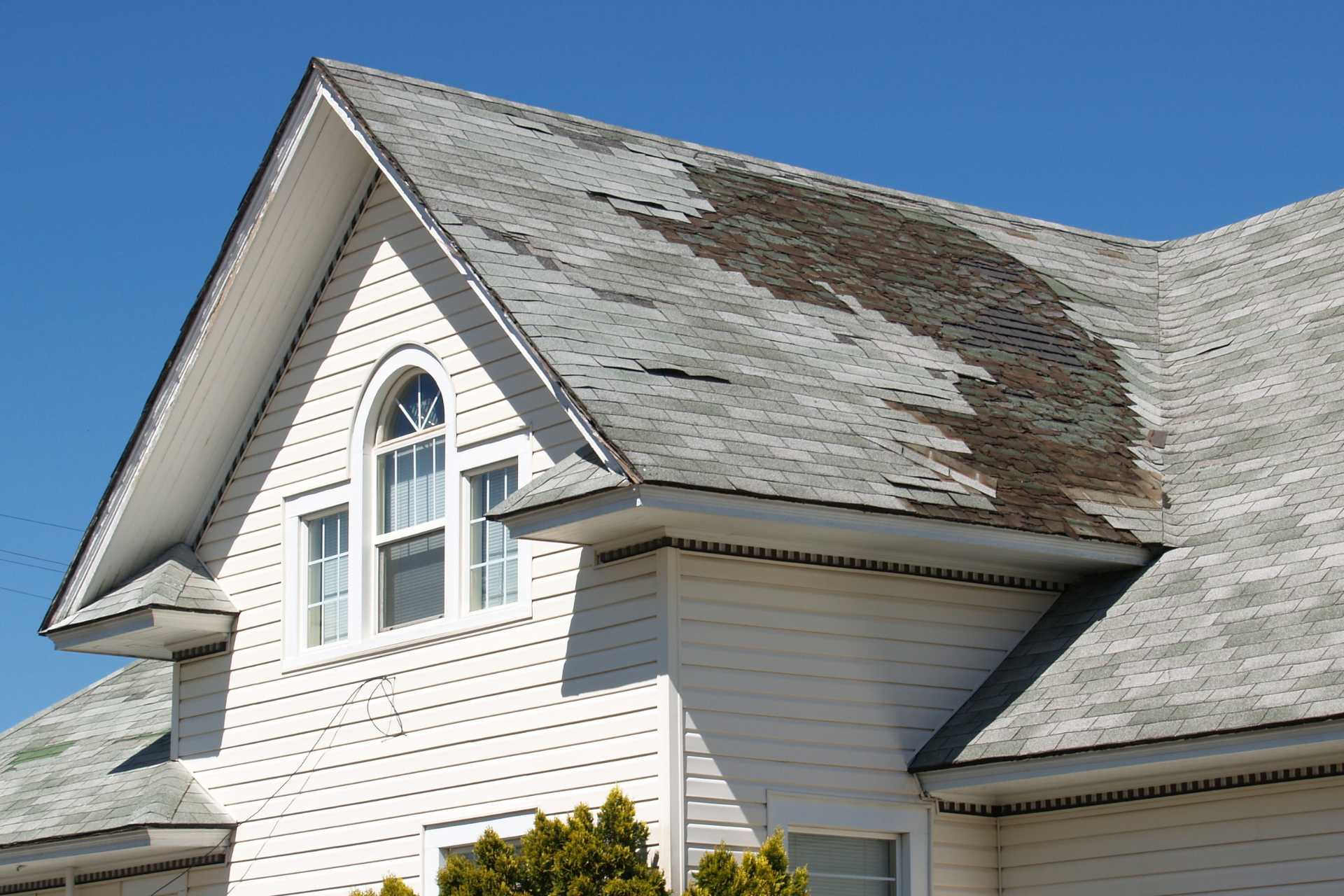
The roof is your home’s first line of defence against the heavy spring rains. One of the most telling signs of trouble is found in your downspouts and gutters. If you see an accumulation of sand-like grit, it is likely shingle granules. Their presence suggests that your shingles are losing their protective coating and may soon become brittle. This shedding often accelerates after a winter of heavy snow loads and ice scraping.
Ice dams are another common culprit for hidden damage. As the ice melts and refreezes, it can lift shingles or bend metal flashing out of place. This creates a direct entry point for water during the next big thunderstorm. You should also step inside and check your attic or top-floor ceilings for dark water stains. These spots often signal a leak that was previously frozen but has now started to seep into the insulation.
The Siding: Checking the Perimeter for “Winter Buckle”
Extreme temperature changes cause different materials to expand and contract at different rates. This movement can cause siding panels to buckle or pull away from the house entirely. When panels warp, they create small gaps that allow wind-driven rain to get trapped behind the protective layer. If moisture stays trapped against the wooden sheathing, it can lead to rot and mould that is very expensive to remediate.
A thorough inspection should also include a “sealant scan” where the walls meet the roofline and windows. Look for cracking or peeling caulking that may have dried out during the deep freeze. Ensuring these joints are watertight is essential for maintaining your home’s thermal envelope. If the siding feels loose or sounds like it is rattling in the wind, it likely needs a quick professional adjustment before the summer storm season begins.
Ground-Level Indicators: What Your Yard is Telling You
Sometimes the best clues about your home’s health are found right on the ground. As the snow recedes, look for broken shingle tabs or small pieces of siding in your garden beds. High winds often snap brittle materials during the winter, and these fragments are easy to miss until the grass clears. Finding these pieces early allows you to patch specific areas before a small hole turns into a major leak.
Proper drainage is also vital during the spring thaw. Ensure that your gutters are clear of winter debris and are directing water far away from your foundation. If water pools against the base of your siding, it can wick upward and cause structural damage to your home. A well-functioning gutter system protects both your roof and your siding by managing the massive volume of meltwater that spring generates.
The Financial Benefit: Small Repairs vs. Total Replacement
Maintaining an exterior is a game of “maintenance math.” Replacing a few damaged shingles or a single siding panel is a fraction of the cost of a full overhaul. Proactive homeowners save thousands by catching “silent” leaks before they cause internal damage to drywall and electrical systems. These small fixes also preserve the visual ROI and curb appeal of the property.
If you plan to sell your home in the upcoming spring market, a well-maintained exterior is a major selling point. Buyers in 2026 are highly aware of energy costs and potential repair liabilities. Providing a clean bill of health for your roof and siding builds immediate trust and can lead to higher offers. Investing a few hours in an inspection today pays off significantly at the closing table later this year.
Preparing for a Leak-Free Summer
Spring is the time to verify that your roof, siding, and windows are ready for the year ahead. A thorough inspection confirms that your home’s “skin” is still watertight and structurally sound. By addressing winter wear and tear early, you avoid the stress of emergency repairs during the busy summer months.
Vigilance is the best tool for any homeowner. Take a walk around your property this week and look closely at the details. If you spot anything unusual, consult with a professional to get a clear picture of your home’s condition. Keeping your exterior in top shape ensures your sanctuary remains protected, comfortable, and valuable for many seasons to come.
