
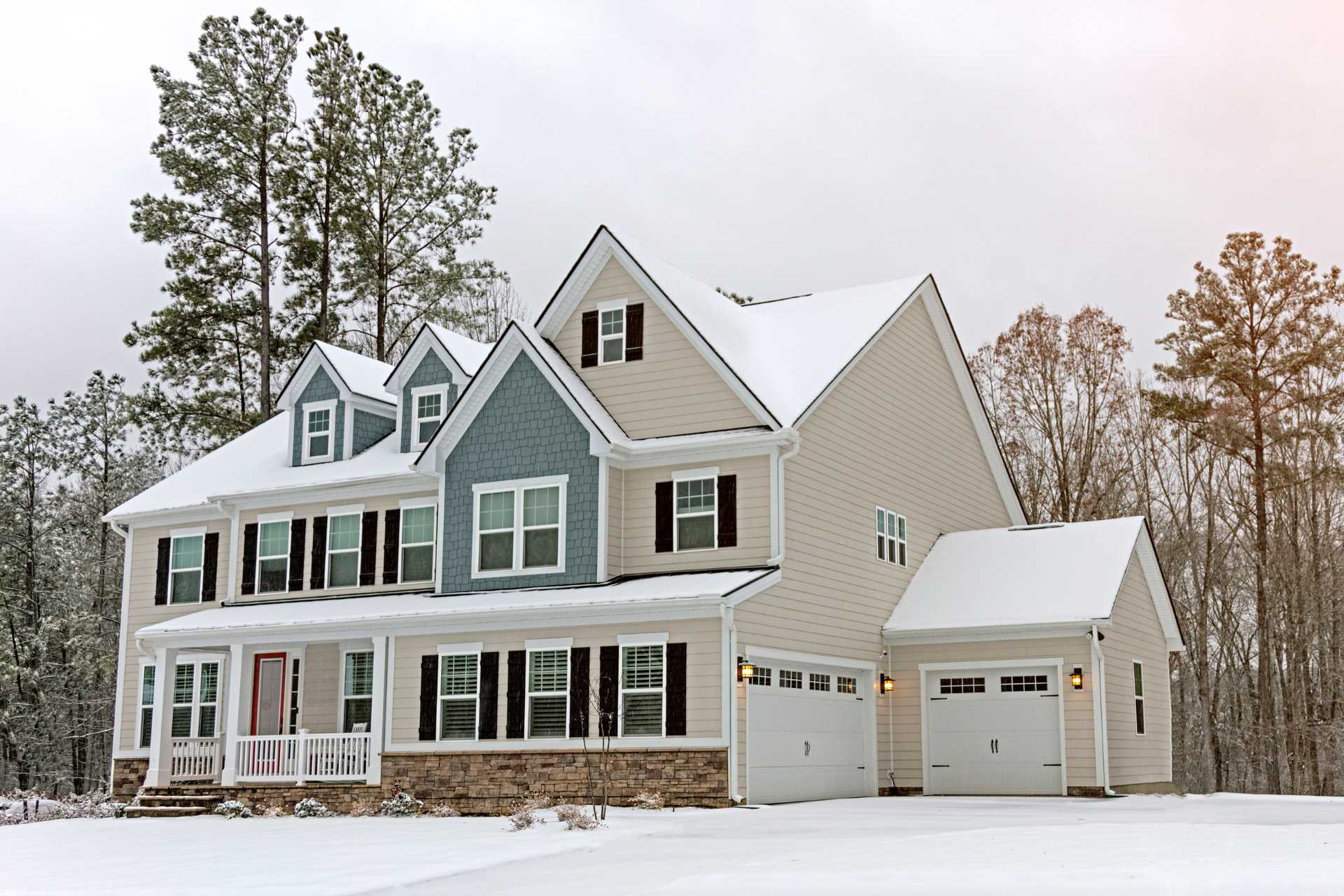
Buying a home during a Canadian winter offers a unique advantage because the freezing temperatures provide a live performance review of the property’s mechanical systems. While many buyers focus on aesthetic features like kitchen counters or hardwood floors, the heating system is the most critical asset to evaluate during a winter showing. Many prospective owners first encounter the reality of a home’s condition while discussing potential furnace repair history with their real estate agent. A heating system that struggles to maintain warmth during a viewing serves as a significant red flag. It suggests that the property may suffer from mechanical failure or poor thermal retention. Identifying these concerns early prevents a dream home from turning into a financial burden. Understanding how furnace performance dictates property value is essential for making a sound investment.
The furnace acts as the heart of any Canadian residence, and its condition directly impacts the monthly cost of ownership. A heating system near the end of its life cycle represents a looming liability that buyers must factor into their initial offer. A house with a high-efficiency unit is inherently more valuable than one with a failing legacy system. Beyond the equipment itself, the home’s ability to retain warmth is equally important for long-term affordability. Significant heat loss through walls or windows forces the furnace to overwork, leading to premature wear and higher utility bills. Evaluating the heating system accurately ensures the purchase price reflects the true condition of the home. This proactive approach allows for a decision that aligns comfort, affordability, and long-term value.
The Life Cycle of a Canadian Furnace
Most forced-air furnaces in Canada have a reliable lifespan of fifteen to twenty years, depending heavily on the quality of the installation and consistent annual maintenance. Once a unit passes the fifteen-year mark, the risk of a major component failure, such as a cracked heat exchanger, increases significantly. Potential buyers should always check the manufacture date on the furnace nameplate during a walk-through to determine the furnace age. If a system is approaching its second decade, a replacement is likely imminent and should be budgeted for accordingly. An aging unit often lacks the modern safety features and precision found in newer models, making it a potential safety concern as well as a financial one.
Service records serve as a vital marker of a home’s value and the diligence of the previous owners. A well-documented maintenance history suggests that the mechanical systems were cared for properly, which can extend the functional life of the equipment. Conversely, a lack of records can indicate a “ticking clock” scenario where the furnace age becomes a much more pressing issue. If the system has skipped several years of professional cleaning, internal components may be compromised by dust and debris. Replacing a heat exchanger or a blower motor is often nearly as expensive as installing a new furnace. Knowing the life cycle stage of the unit prevents unexpected mid-winter emergencies and allows for better financial planning.
Decoding Efficiency: AFUE Ratings and Your Budget
The Annual Fuel Utilization Efficiency (AFUE) rating measures how effectively a furnace converts fuel into heat over the course of a typical year. This percentage indicates how much of every dollar spent on gas actually stays inside the home to provide warmth. For example, an older furnace with a 70% AFUE rating wastes 30 cents of every dollar through the exhaust flue. In contrast, modern high-efficiency units often boast AFUE ratings of 96% or higher, significantly reducing energy waste. This efficiency gap plays a major role in the property’s true value, as it dictates the ongoing operational costs for the new homeowner.
High-efficiency furnaces do more than just save money on gas bills; they often feature variable-speed motors that provide more consistent temperatures. This reduces the frequency of cold drafts caused by the furnace constantly turning on and off to maintain a set point. When evaluating a property, a high AFUE rating is a major selling point that justifies a higher purchase price. It signifies that the home’s operational costs will be lower from day one, which is a significant advantage in a volatile energy market. Buyers should prioritize homes with modern units to avoid the “sticker shock” of winter utility bills. Investing in efficiency during the purchase phase pays dividends for years to come.
Red Flags During the Walk-Through
A visual and auditory inspection of the furnace area can reveal a wealth of information about its condition during a showing. Buyers should look for signs of rust, soot, or moisture around the base of the unit, as these often point to venting failures. Unusual noises such as banging, whistling, or grinding during operation are also cause for concern and may indicate a high furnace age. A healthy furnace should operate with a consistent, quiet hum that does not disrupt conversation in nearby rooms. If the unit struggles to ignite or emits a faint smell of gas, it requires immediate professional attention before an offer is made.
Asking for recent winter heating bills is another effective way to gauge the system’s performance and the home’s overall efficiency. If the bills are unusually high compared to the square footage, the system is likely inefficient or the furnace age is a factor in its decline. High bills can also indicate that the house suffers from excessive air leakage through the building envelope. If the furnace cycles on and off every few minutes, it is “short-cycling,” which suggests the system is either the wrong size or is overheating. Recognizing these red flags allows buyers to negotiate repairs or price credits before the deal is finalized. This level of due diligence is essential for any winter real estate transaction.
The Synergy of the Envelope: Furnace and Roof
A furnace does not work in isolation; it relies on the roof and insulation to keep the air warm once it is produced. If a home has a high-efficiency furnace but a poorly insulated roof, the energy savings are largely lost to the atmosphere. Heat naturally rises, making the attic the primary exit point for the warmth the furnace produces. When heat escapes through the top of the house, the furnace must run longer to maintain the set temperature, regardless of the furnace age. This synergy determines the overall thermal efficiency of the property and should be inspected as a single system.
A failing furnace in a home with poor roof insulation creates a “double-whammy” for the buyer’s finances and comfort. The inefficient heater uses too much fuel, while the lack of insulation allows that heat to vanish immediately. This combination leads to cold spots and uncomfortable drafts that make certain rooms uninhabitable during a blizzard. Addressing heat loss through the roof is often just as important as upgrading the furnace itself. When both systems are in top shape, the home becomes a fortress against the Canadian cold. Buyers must look at the house as a complete system to understand its true value and potential for future comfort.
Using Efficiency as a Negotiation Tool
If a home inspection reveals a heating system near the end of its life, this information becomes a powerful negotiation tool. The cost of a new high-efficiency furnace installation in Canada can range from several thousand dollars upward, depending on the complexity of the venting. Buyers can use the documented furnace age and efficiency rating to justify a lower purchase price or a seller’s credit. It is reasonable to ask the seller to address a non-functional or dangerous unit as a condition of the sale. This ensures the buyer has the necessary funds to replace the system shortly after moving in, protecting their cash flow.
Planning for future replacement costs also helps in long-term financial budgeting and prevents post-closing stress. Knowing that a major expense is coming within two years allows for better management of home improvement funds. If the furnace is currently working but old, the buyer might decide to keep it until it fails, but they should do so with a clear understanding of the risks. A new furnace often comes with a ten-year parts warranty, which adds further value and security to the home. By factoring these numbers into the initial offer, buyers avoid the shock of a major mechanical failure. Financial foresight is a critical component of a successful home purchase in any season.
Don’t Buy an Expensive Igloo—Check the Heater First!
Winter real estate transactions provide a rare opportunity to see a home’s mechanical systems under full load. A furnace is not just a piece of equipment; it is a vital indicator of the property’s overall health and future operational costs. By paying attention to the furnace age, efficiency ratings, and signs of wear, buyers can protect themselves from costly surprises. Addressing mechanical inefficiency during the buying process ensures a more comfortable and affordable future for the new occupants. Never underestimate the importance of a thorough inspection of the heating system before signing the deed. A well-chosen home with a strong furnace provides comfort, security, and lasting value through every Canadian winter.
